The Impact of Food Waste
UK households waste approximately £700 worth of food annually. Beyond the financial cost, food waste contributes to environmental problems. The good news? Simple changes can dramatically reduce your household waste.
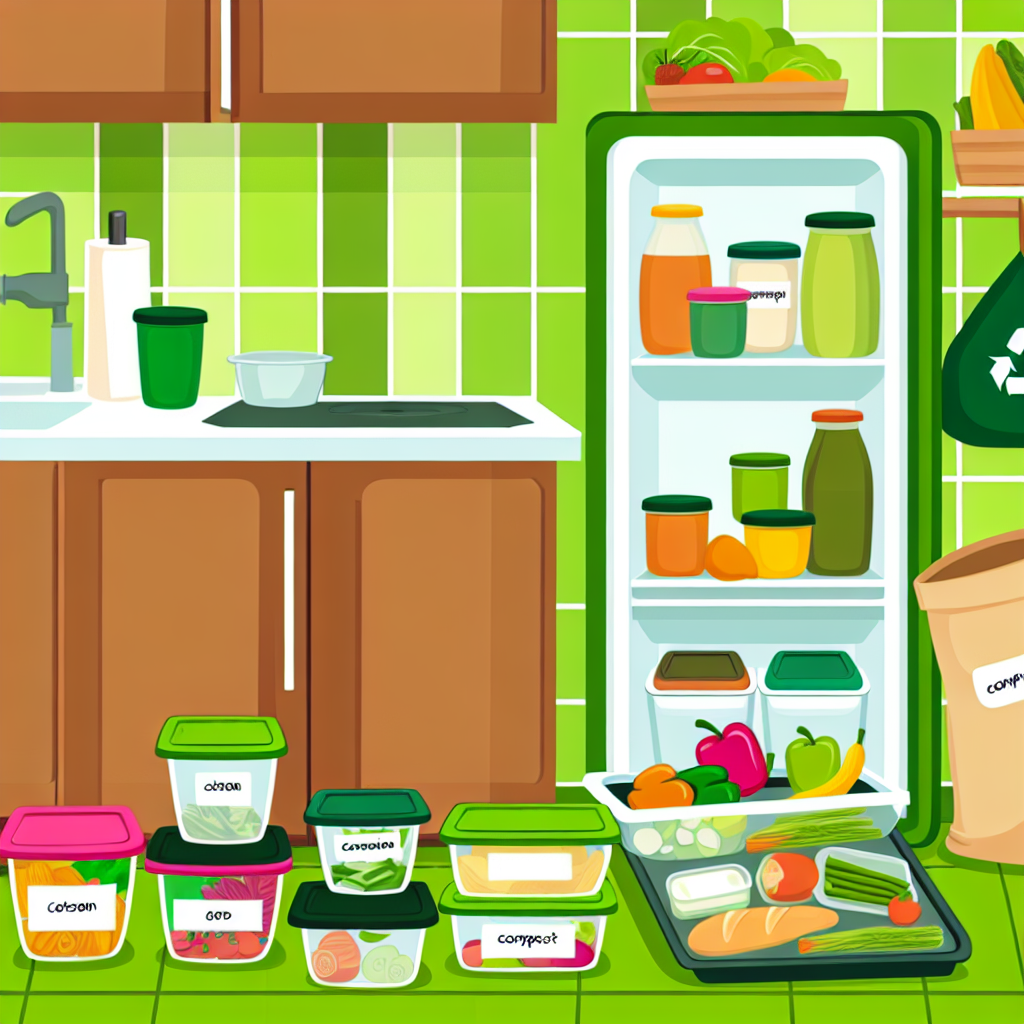
Why Food Gets Wasted
Understanding why food goes to waste is the first step in preventing it:
- • Buying too much without a plan
- • Improper storage leading to spoilage
- • Forgetting what's in the fridge/pantry
- • Confusion about date labels
- • Cooking portions that are too large
🛒 Shop Smarter
Waste reduction starts at the shop. These planning strategies prevent overbuying:
- Plan meals before shopping
- Make a detailed list and stick to it
- Check what you already have before buying more
- Buy appropriate quantities for your household size
- Be realistic about what you'll actually cook
- Avoid bulk buying perishables unless you have a plan
🥶 Store Properly
Proper storage extends food life significantly:
- Learn correct storage locations for different foods
- Use airtight containers for opened items
- Keep fridge at correct temperature (4°C or below)
- Implement FIFO system (First In, First Out)
- Freeze items before they spoil
- Store fruits and vegetables separately when needed
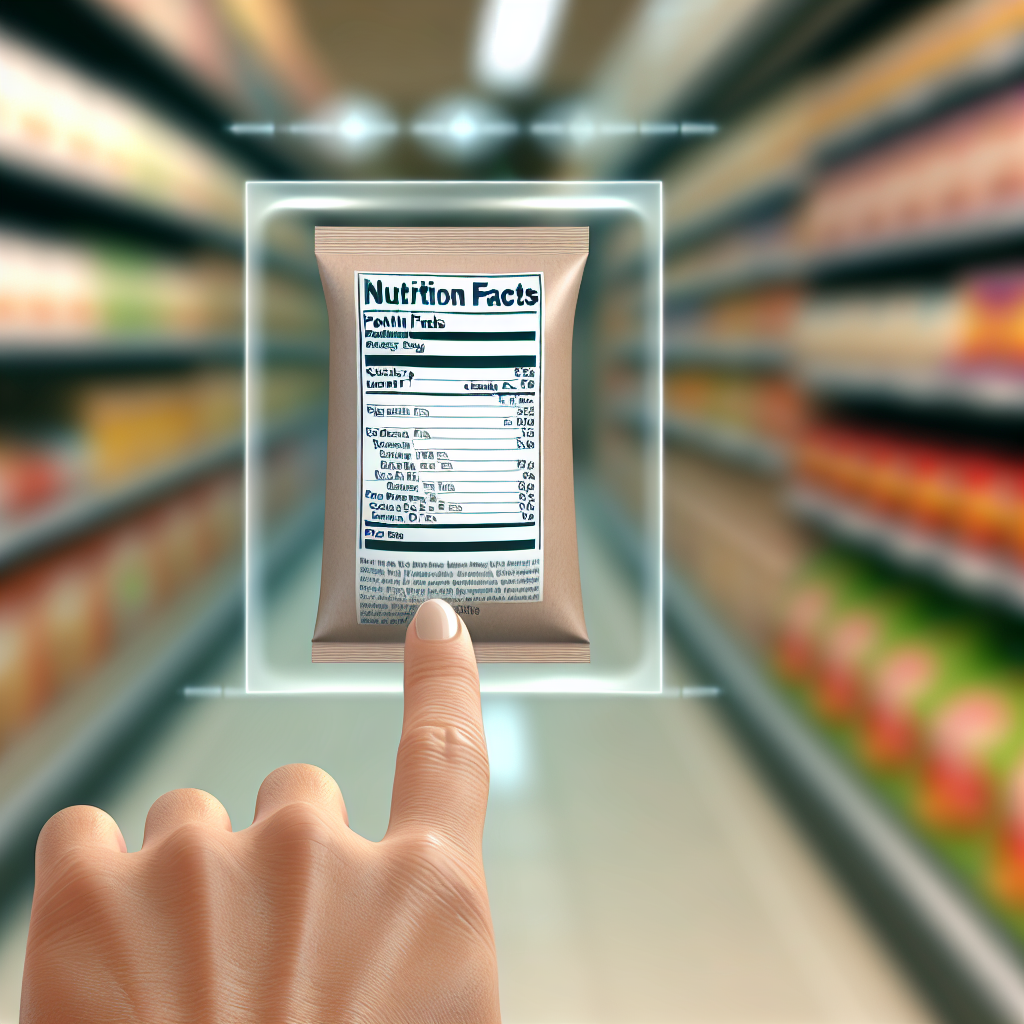
Understanding Date Labels
Date labels cause unnecessary waste. Know the difference:
"Use By" - Safety date. Don't eat after this date.
"Best Before" - Quality date. Food is safe after but may not be at peak quality.
Most foods are fine well past "Best Before" dates. Use your senses to judge.
♻️ Use Everything
Creative use of ingredients prevents waste:
- Use vegetable scraps for homemade stock
- Freeze overripe fruit for smoothies
- Make soups or stews with odds and ends
- Use stale bread for croutons or breadcrumbs
- Repurpose leftovers into new meals
- Compost unavoidable food waste
Average Results
40%
Less Food Waste
£200+
Annual Savings
3 months
To See Results