🥶 Refrigerator Storage
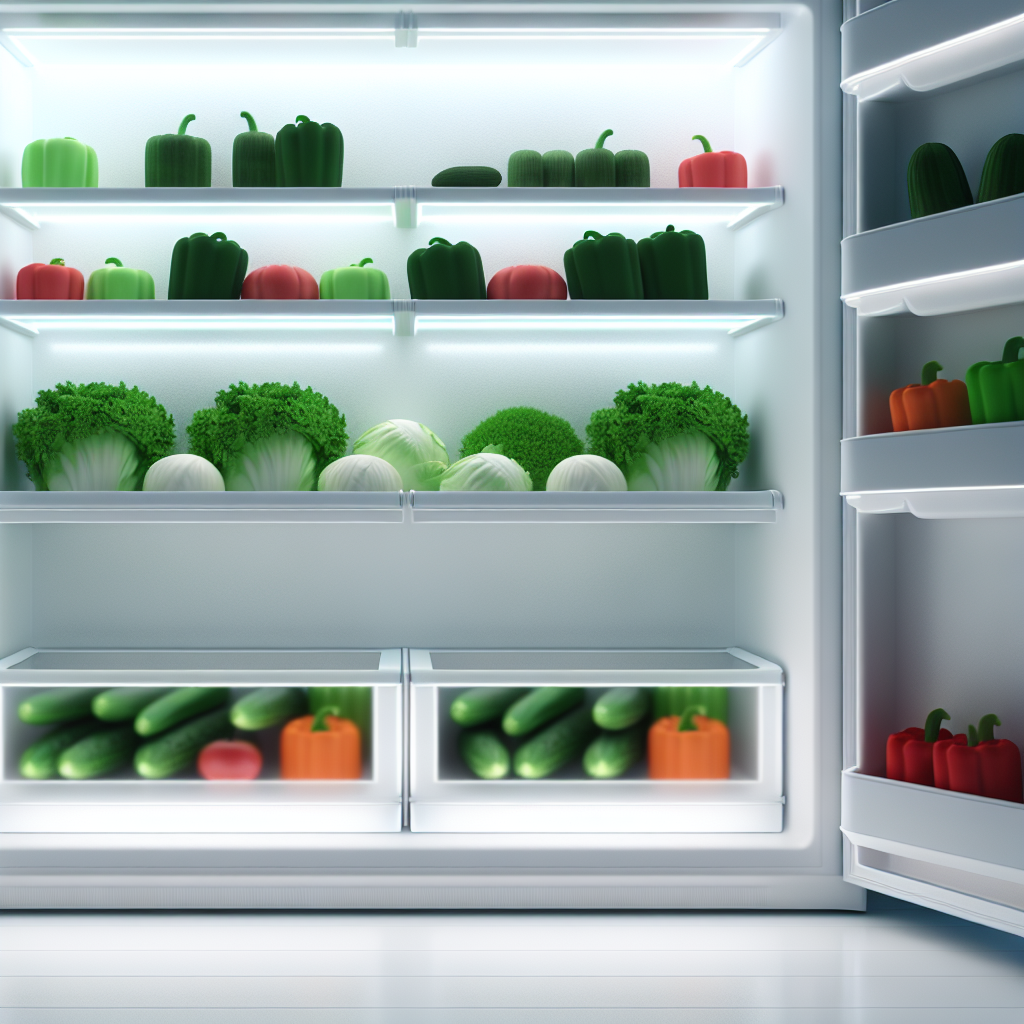
Your refrigerator has different temperature zones. Understanding where to store different foods maximizes freshness and safety.
- Top Shelf: Ready-to-eat foods, leftovers, drinks
- Middle Shelves: Dairy products, eggs (in carton)
- Bottom Shelf: Raw meat, poultry, fish (in containers to prevent drips)
- Drawers: Fruits and vegetables (separate drawers if possible)
- Door: Condiments, juices (most stable temperature area)
Key Tips: Keep temperature at 4°C or below, don't overcrowd shelves, cover all foods, check and clean regularly.
❄️ Freezer Storage
Proper freezing extends food life dramatically. Most foods can be frozen, but technique matters.
- Label everything with contents and date
- Use airtight containers or freezer bags
- Remove as much air as possible to prevent freezer burn
- Freeze in portion sizes you'll actually use
- Cool cooked food before freezing
- Use frozen foods within recommended timeframes (3-6 months for most items)
- Keep freezer at -18°C or below
🏺 Pantry Storage
A well-organized pantry prevents waste and makes cooking easier. Keep it cool, dry, and dark.
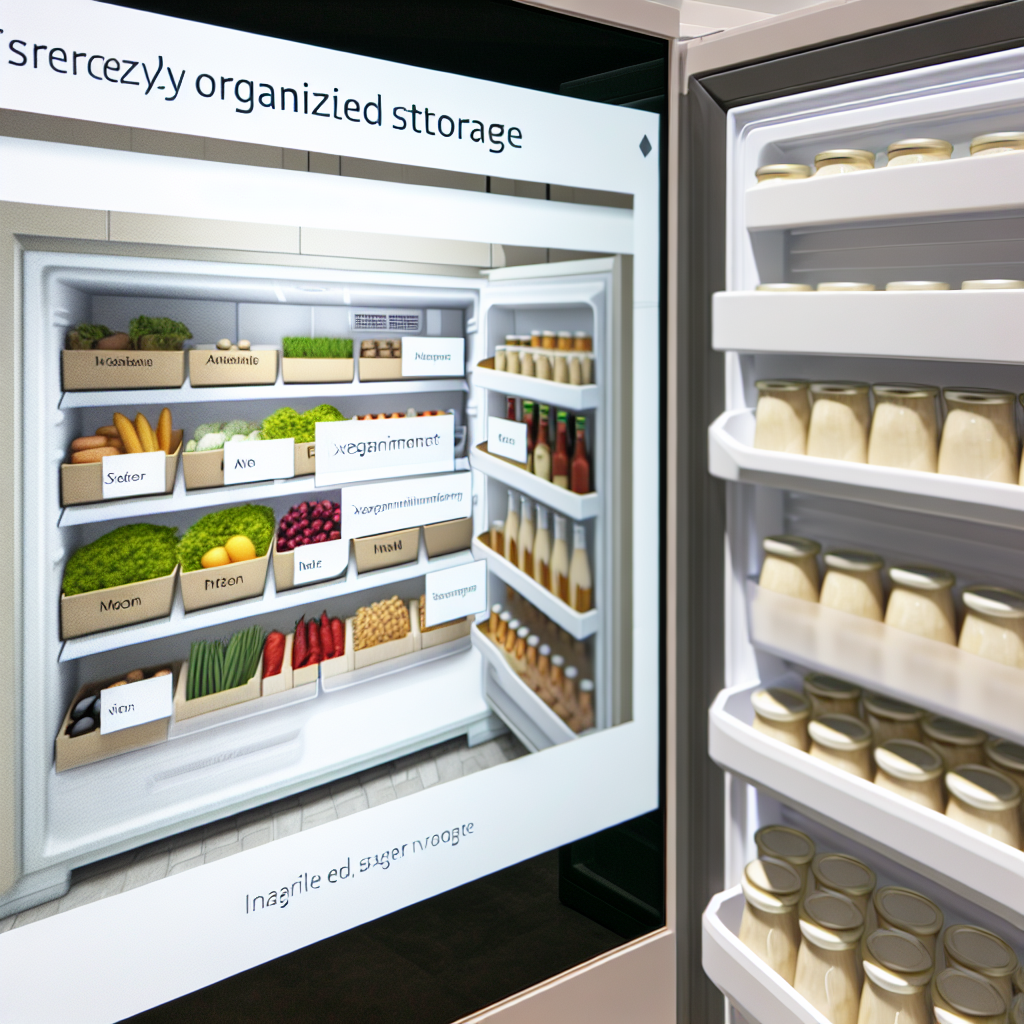
- Store in airtight containers to prevent pests and maintain freshness
- Keep opened packages sealed with clips or transferred to containers
- Use clear containers so you can see what you have
- Implement FIFO (First In, First Out) rotation
- Check expiration dates regularly
- Store flour, rice, and pasta in cool, dry locations
- Keep oils away from heat and light
🥕 Produce Storage Tips
Different fruits and vegetables have different storage needs. Some produce refrigeration, others prefer room temperature.
Refrigerate These:
- Leafy greens, berries, grapes
- Carrots, celery, broccoli, cauliflower
- Apples (after a few days at room temperature)
- Herbs (in water like flowers, or wrapped in damp cloth)
Keep at Room Temperature:
- Tomatoes, potatoes, onions, garlic
- Bananas, citrus fruits (until very ripe)
- Bread (use within few days or freeze)
- Avocados (until ripe, then refrigerate)
⏰ Storage Duration Guidelines
Knowing how long foods last helps prevent waste and ensures food safety.
- Fresh meat/poultry: 1-2 days in fridge, 3-12 months frozen
- Fresh fish: 1-2 days in fridge, 3-6 months frozen
- Cooked leftovers: 3-4 days in fridge, 2-3 months frozen
- Hard cheese: 3-4 weeks opened, 6 months sealed
- Milk: 5-7 days after opening
- Eggs: 3-5 weeks in carton in fridge
- Fresh vegetables: 3-7 days depending on type
Want Detailed Storage Training?
Our Storage & Organization program provides comprehensive guidance on keeping food fresh and reducing waste.
Learn More